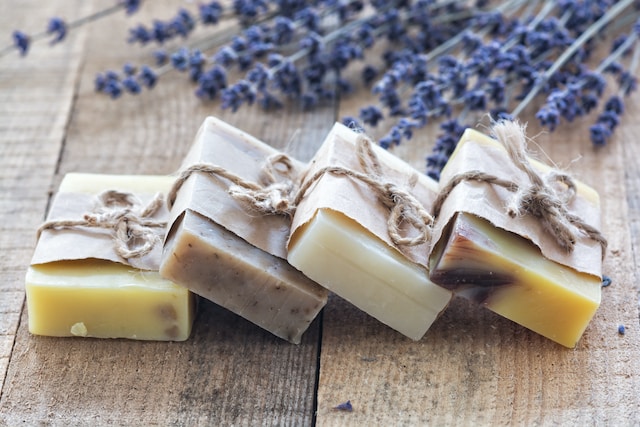
As consumers become more aware of the harmful chemicals in commercial soap, handmade soap has become increasingly popular. Handmade soap offers a range of benefits for your skin, from moisturizing and nourishing to reducing the risk of skin irritation. This comprehensive guide explores why handmade soap is the best choice for your skin and how to make your healthy soap.
Introduction to Handmade Soap
Handmade soap uses natural ingredients, such as oils, butter, and essential oils. Unlike commercial soap, which often contains synthetic chemicals and fragrances, handmade soap is gentle on your skin and provides a luxurious lather. Handmade soap is usually made in small batches, ensuring that each bar is carefully crafted to provide the best possible experience for your skin.
The Benefits of Using Handmade Soap
Handmade soap offers a range of benefits for your skin. Firstly, it contains natural ingredients that nourish and moisturize your skin. Handmade soap often contains natural oils and butter, such as coconut oil, shea butter, and olive oil, which help to keep your skin hydrated and healthy.
Secondly, handmade soap is gentle on your skin, making it ideal for sensitive skin. Commercial soap often contains synthetic fragrances and harsh chemicals, which can irritate your skin and cause flare-ups. On the other hand, handmade soap uses natural ingredients that are less likely to cause irritation or allergic reactions.
Thirdly, handmade soap is environmentally friendly. Commercial soap often comes in plastic packaging, contributing to the plastic waste problem. Handmade soap, however, is usually packaged in biodegradable or recyclable materials, making it a more sustainable choice.
The Dangers of Using Commercial Soap
Commercial soap often contains synthetic fragrances and harsh chemicals that can harm your skin. These chemicals can strip your skin of natural oils, leaving it dry and vulnerable to irritants. Commercial soap can also contain preservatives and additives that can cause skin irritation or allergic reactions.
In addition to being harmful to your skin, commercial soap can also harm the environment. Many retail soap brands use palm oil, contributing to deforestation and destroying wildlife habitats. Commercial soap also often comes in plastic packaging, contributing to the plastic waste problem.
Ingredients Used in Handmade Soap
Handmade soap uses natural ingredients, such as oils, butter, and essential oils. Each element has its unique benefits for your skin. For example, coconut oil moisturizes and nourishes, while shea butter is rich in vitamins and antioxidants.
Other common ingredients in handmade soap include olive, castor, avocado, and cocoa butter. Essential oils, such as lavender, peppermint, and tea tree, are often added for their therapeutic benefits and natural fragrance.
How to Make Your Handmade Soap
Making handmade soap is easier than you might think. All you need are the right ingredients, equipment, and patience. The basic process involves mixing oils and lye, allowing the mixture to saponify, and then pouring it into molds to set.
Following a recipe when making handmade soap is essential, as lye can be dangerous if not handled correctly. Safety equipment, such as gloves and goggles, should always be worn when handling lye. Many online resources provide step-by-step instructions on making your handmade soap.
Tips for Making Handmade Soap
Here are some tips to ensure that your handmade soap turns out perfectly:
– Use a digital kitchen scale to measure your ingredients accurately.
– Use a stick blender to mix your ingredients quickly and efficiently.
– Allow your soap to cure for at least four weeks before using it. This allows the soap to saponify fully and ensures it is gentle on your skin.
Experiment with different oils and fragrances to find the perfect recipe for your skin.
Different Types of Handmade Soap
There are many different types of handmade soap, each with unique benefits for your skin. Some popular varieties include:
Castile soap: made using olive oil, castile soap is gentle and moisturizing.
Coconut oil soap: made using coconut oil, cleansing, and nourishing.
Shea butter soap: made using shea butter, this soap is moisturizing and rich in vitamins.
Goat milk soap: made using goat milk, this soap is gentle and nourishing.
How to Choose the Right Handmade Soap for Your Skin
When choosing handmade soap, you must consider your skin type and specific skin concerns. For example, if you have dry skin, you may want to choose a soap that contains moisturizing oils, such as shea butter or cocoa butter. If you have oily skin, you may select a soap containing cleansing oils, such as coconut or castor oil.
Choosing a soap-free from synthetic fragrances and harsh chemicals is also essential, as these can irritate your skin. Look for soaps made using natural ingredients and essential oils for fragrance.
The Best Handmade Soap Brands
There are many great handmade soap brands on the market. Here are some of our top picks:
Dr. Bronner’s: known for its castile soap, Dr. Bronner’s offers a range of natural and organic soaps.
Lush: Lush offers a range of handmade soaps, including the famous Honey I Washed The Kids soap.
Rocky Mountain Soap Company: based in Canada, Rocky Mountain Soap Company offers a range of natural and organic soaps.
Chagrin Valley Soap & Salve: Chagrin Valley Soap & Salve offers a range of handmade soaps, including goat milk and Ayurvedic soap.
Conclusion: Why Handmade Soap is the Best Choice for Your Skin
Handmade soap offers a range of benefits for your skin, from moisturizing and nourishing to reducing the risk of skin irritation. By choosing handmade soap over commercial soap, you can be sure that you are using a gentle product on your skin and free from harmful chemicals. Making your handmade soap is also a great way to ensure that you use a product tailored to your specific skin type and concerns. Why not try handmade soap and see the difference it can make for your skin?
Try making your handmade soap today and experience the benefits for yourself!