Introduction
Maintaining heart health is vital for overall well-being, and you’re likely familiar with common advice like regular exercise and watching cholesterol levels. However, the impact of dietary choices on cardiovascular health is equally critical. Amid various health foods, one category might catch your eye due to its somewhat understated reputation: edible mushrooms.
Mushrooms offer a variety of anticipated benefits for the heart. These fungi are not only a low-calorie food option but also boast an array of nutrients conducive to heart health. They contain compounds that have been found to support cardiovascular health, making them a noteworthy addition to your diet.
In this article, you will discover why mushrooms might be the unexpected ally your heart needs. You will learn about different types of mushrooms and how they might help manage cholesterol levels, reduce blood pressure, and improve circulation—all of which are beneficial for a healthy heart.
Here’s what you can expect: a dive into the surprising cardiovascular benefits of mushrooms, an understanding of how they can be a part of a heart-healthy diet, and a look at the types of mushrooms that might be particularly potent for supporting your heart. By the end of this article, you’ll be equipped with valuable knowledge to make informed decisions about incorporating mushrooms into your diet for better heart health.
Understanding Heart Health

Your heart is an essential muscle that pumps blood throughout your body, delivering oxygen and nutrients to tissues and removing waste products. Heart disease and cardiovascular disease describe a range of conditions that can affect your heart, from coronary artery disease to heart rhythm problems. Conditions under this umbrella often share similar risk factors like high cholesterol, elevated blood pressure, and chronic inflammation.
Risk factors for heart disease can include lifestyle habits such as a lack of physical activity, an unhealthy diet, smoking, and excessive alcohol consumption. These can lead to hypertension (high blood pressure), increasing the strain on your heart and the likelihood of damaging arterial walls.
A healthy diet plays a crucial role in maintaining cardiovascular health. Foods high in saturated fats, trans fats, and cholesterol can contribute to the development of heart disease. Conversely, a diet rich in fruits, vegetables, whole grains, and lean proteins can help to keep your heart in good shape. Preventative measures for heart health include regular exercise, stress management, and monitoring your blood pressure and cholesterol levels.
In addition to these measures, incorporating natural remedies and certain foods can be beneficial. For instance, some studies suggest that mushrooms contain compounds that might help in maintaining a healthy heart. They could potentially lower certain inflammatory markers associated with heart disease, although it’s essential not to rely on them as a sole treatment but rather as part of a holistically healthy lifestyle.
The Nutritional Profile of Mushrooms
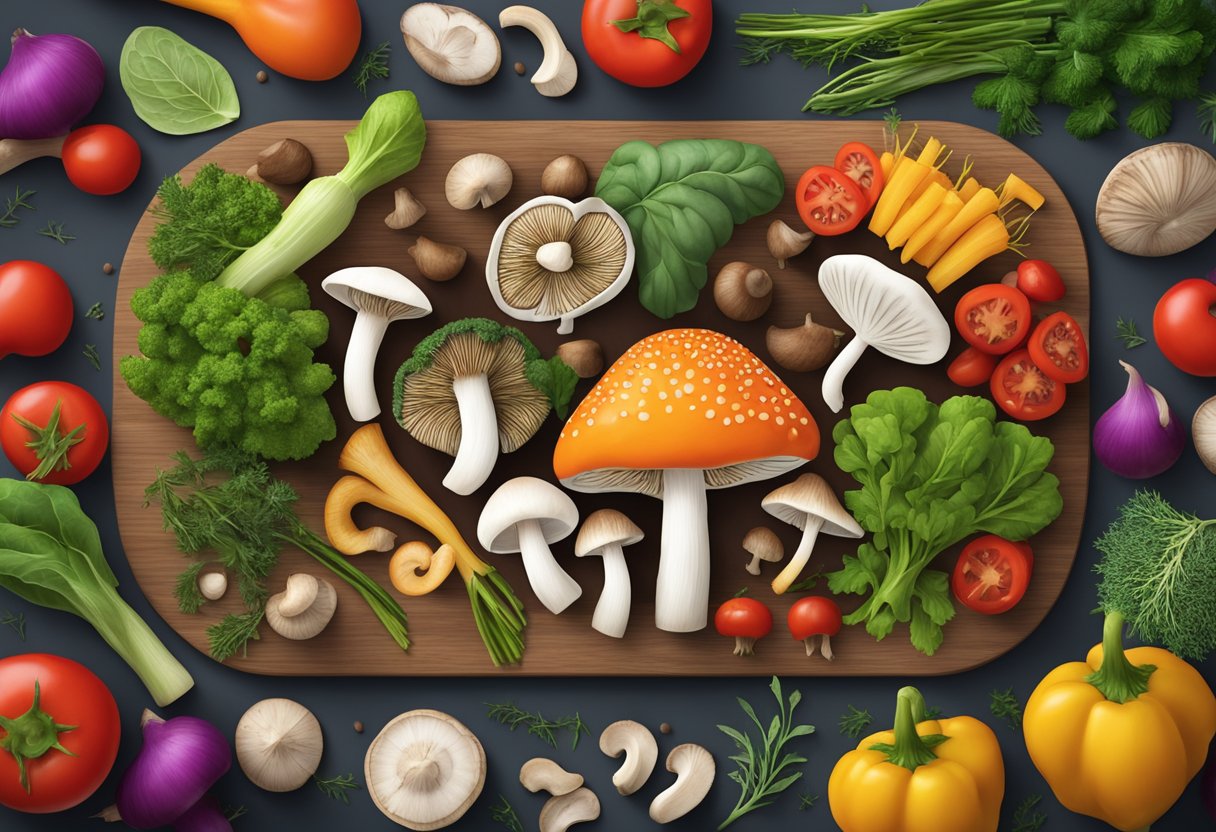
Mushrooms are a powerhouse of nutrients contributing to a heart-healthy diet. They contain a variety of vitamins, minerals, and antioxidants that support cardiovascular health.
Vitamins & Minerals: Mushrooms are an excellent source of vitamin D and B-vitamins, such as riboflavin (B2), niacin (B3), and pantothenic acid (B5). These B vitamins play vital roles in energy production and the reduction of inflammation, a key risk factor for heart disease. Additionally, selenium and copper found in mushrooms are instrumental in various enzymatic reactions and antioxidant defenses.
| Nutrient | Benefit for Heart |
|---|---|
| Potassium | Lowers blood pressure |
| Fiber | Reduces cholesterol |
| Antioxidants | Protects against oxidative stress |
| Vitamin D | Regulates blood pressure |
| Selenium | Supports antioxidant activity |
| Copper | Aids in iron metabolism |
Fiber: Mushrooms possess both soluble and insoluble fiber. Soluble fiber, such as beta-glucan found in mushrooms, becomes gel-like in the digestive system, binding cholesterol and aiding its removal from the body, thereby reducing cholesterol levels.
Antioxidants: Mushrooms provide antioxidants like selenium and ergothioneine, which protect your cells against damage that may lead to heart disease. Moreover, polyphenols in mushrooms also play a role in reducing oxidative stress.
Potassium: The potassium in mushrooms helps control blood pressure, which is crucial for preventing heart attacks and strokes.
Collectively, these attributes make mushrooms a versatile food that supports your heart’s health. Including a variety of mushrooms in your diet can therefore contribute to a balanced and heart-healthy nutrition plan.
Types of Mushrooms and Their Heart Health Benefits
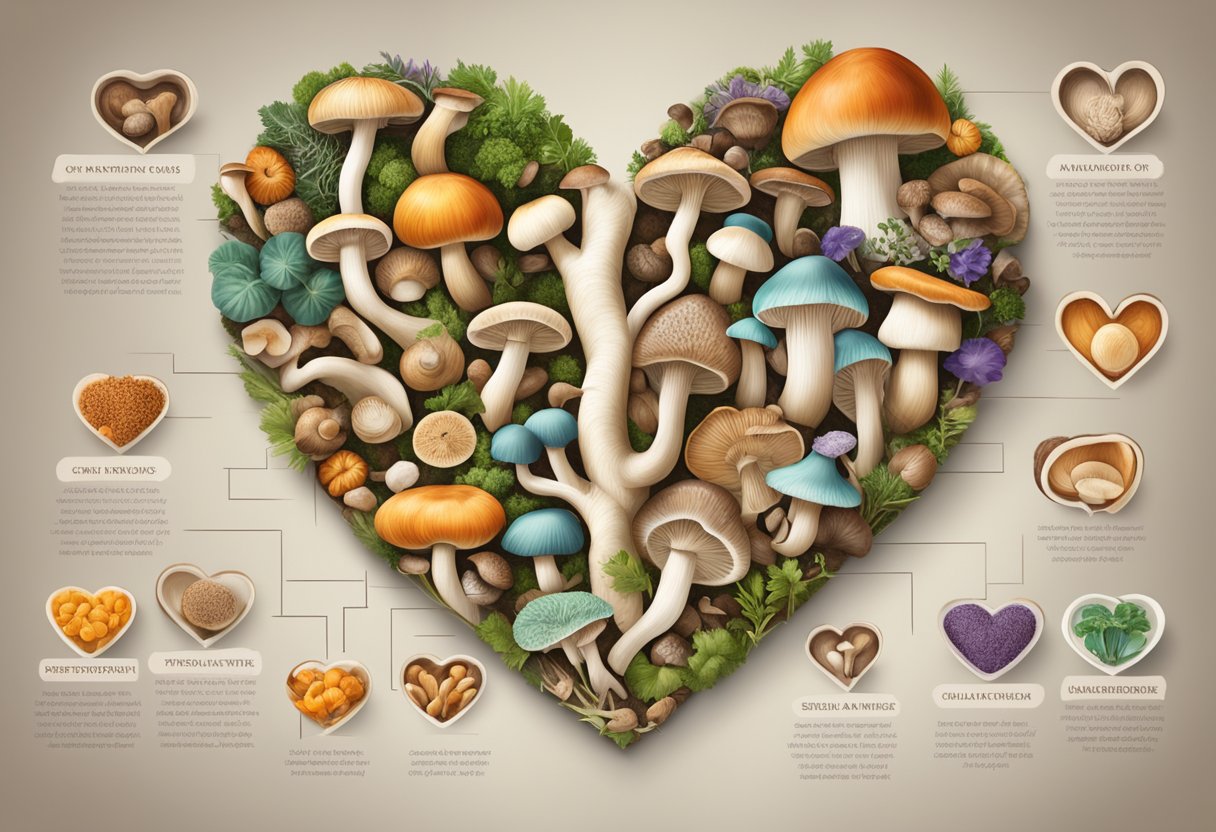
Shiitake Mushrooms
Shiitake mushrooms are not just flavorful; they are potent contributors to your heart health. Rich in compounds like lentinan and other beta-glucans, these mushrooms support immune function and may also improve cholesterol levels. A study highlighted the effects of shiitake mushrooms on cholesterol, suggesting that they can help lower cholesterol levels.
Oyster Mushrooms
Equally significant for heart health are oyster mushrooms. These contain beta-glucans, which have been shown to help manage lipid levels in the bloodstream. The consumption of oyster mushrooms may result in lowered cholesterol levels due to their soluble fiber content.
Reishi Mushrooms
Reishi mushrooms, often used in traditional medicine, have ganoderic acids. These acids are known for their anti-inflammatory properties and their potential to aid in the reduction of cholesterol, thereby supporting good cardiovascular health.
Nutrient Content of Mushrooms
- Potassium: Vital for heart function and found in various mushrooms, helping to regulate blood pressure.
- Soluble Fiber: Aids in reducing cholesterol absorption in your bloodstream.
- Antioxidants: Protect your heart by preventing oxidative stress and inflammation.
Mushrooms offer a multi-faceted approach to improving heart health through their rich array of nutrients.
| Mushroom Type | Heart Health Benefits |
|---|---|
| Shiitake | Lentinan for immunity, potential for reducing cholesterol |
| Oyster | Beta-glucans may lower lipid levels, rich in cholesterol-lowering fiber |
| Reishi | Ganoderic acids might help in managing cholesterol, anti-inflammatory |
Remember to include these nutritional powerhouses in your diet to harness their heart-protective benefits.
Blood Pressure Regulation

When managing your heart health, blood pressure regulation is crucial. Mushrooms, particularly oyster mushrooms, have shown potential in supporting this aspect. They contain substances that may help lower high blood pressure, often referred to as hypertension.
Oyster mushrooms stand out; they boast a unique nutrient profile that includes potassium, an essential mineral pivotal in counteracting the effects of sodium—a known culprit in hypertension. Furthermore, researchers have identified a compound in these mushrooms called pleuromutilin which demonstrates cholesterol-lowering properties.
Here’s how you might benefit:
- Reduced Sodium Intake: Substituting high-sodium foods with mushrooms can help manage your blood pressure.
- Potassium Boost: A diet rich in potassium from mushrooms can assist in negating sodium’s impact on your body.
- Cholesterol Management: The beta-glucans in oyster mushrooms contribute to lowering harmful cholesterol levels, indirectly benefiting blood pressure.
Recent studies further reinforce the impact of other fungi varieties:
- Maitake: Studies suggest Maitake mushrooms may improve overall heart health.
- Chaga: Rich in antioxidants, Chaga mushrooms may offer protection against oxidative stress, a factor influencing blood pressure.
For hypertension management, incorporating these Other Beneficial Mushrooms into your diet could prove advantageous. The Maitake mushroom benefits specifically demonstrate promising regulation of blood pressure, while Chaga mushroom antioxidants combat potentially harmful free radicals.
Remember, while mushrooms can form part of a heart-healthy diet, they should complement other lifestyle choices such as regular exercise and stress management.
For deeper insight into the cholesterol-lowering effects and more on edible fungi and cardiovascular health, explore the findings on Health and PubMed.
Scientific Evaluation of Mushrooms for Heart Health
Recent clinical trials on mushrooms have explored their potential health benefits for your heart. These studies focus on how mushroom consumption might influence factors such as cholesterol levels and fat profiles. A systematic review has indicated that certain anti-inflammatory and antioxidant properties found in mushrooms could be beneficial for cardiovascular health.
| Study Type | Findings |
|---|---|
| Prospective Studies | Some evidence suggests mushrooms may improve lipid profiles by affecting LDL cholesterol, HDL cholesterol, total cholesterol, and triglycerides. |
| Meta-Analysis | The results reveal inconsistencies, yet some studies highlight a potential reduction in cardiovascular disease risks with mushroom intake. |
Nevertheless, you should be aware of the limitations of current research. While some mushroom supplementation studies display promising outcomes, the evidence is not conclusive enough to establish a direct correlation. Results vary, and more research is needed to solidify these findings.
Researchers often caution the interpretation of such data, emphasizing the need for further large-scale trials and analyses. By staying informed on up-to-date studies, such as the assessment of mushroom consumption on cardiometabolic health, you can better understand the role mushrooms may play in supporting your heart health. Keep in mind that while emerging evidence from meta-analysis and systematic review work seems promising, deeper scientific inquiry is required to umpire the true impact of mushrooms on mitigating the risks of cardiovascular disease.
Complementing Traditional Heart Medicines with Mushrooms
In your journey toward heart health, understanding how mushrooms can complement conventional heart medications is vital.
Mushrooms and Heart Health Various mushrooms, including reishi, shiitake, and oyster mushrooms, have been recognized for their potential cardiovascular benefits. These fungi contain compounds that may help manage cholesterol levels and blood pressure. Studies suggest that the beta-glucan in mushrooms, a type of soluble fiber, forms a gel-like substance in the gastrointestinal tract, which may assist in regulating blood fats.
Integrative Medicine Approaches Integrating mushrooms into your diet might be considered an aspect of Integrative medicine. This approach often combines Traditional Chinese Medicine (TCM)—which has long valued mushrooms for their health properties—with modern therapies.
Drug-Nutrient Interactions While mushrooms are a promising supplementary food, it’s crucial to be mindful of drug-nutrient interactions. They can affect how your body absorbs or uses conventional medications.
Consultations with Healthcare Providers Before adding mushrooms to your dietary regimen, it’s imperative to consult with your healthcare provider. They can best advise on potential interactions with your current medication plan and ensure a tailored approach to your health.
Mushrooms in Diet and Recipes You can incorporate mushrooms into your diet through various recipes that align with heart-healthy eating patterns. Consider versatile options, from stir-fries to soups, to boost your nutrient intake while enjoying diverse flavors.
Remember, while mushrooms have shown promise in complementing heart medications, they are not a replacement. Always seek professional advice to safely integrate these nutritious fungi into your heart health strategy.
Real-Life Success Stories
Meet James, a 52-year-old who struggled with high cholesterol. His journey began with incorporating shiitake mushrooms into his weekly diet after reading about their cholesterol-lowering effects. Within six months, his LDL levels decreased, aligning with studies suggesting that shiitake mushrooms can help in lowering bad cholesterol levels.
Sara, at age 45, battled hypertension. She added a variety of mushrooms, including reishi and cordyceps, revered for their circulation improvement and anti-inflammatory properties. Her blood pressure began to stabilize, reflecting the potential benefits highlighted by Fungi Magazine.
List of Positive Changes:
- Decreased Blood Pressure: Following Sara’s example, you might experience similar results by adding cordyceps to your diet.
- Reduced Cholesterol: James’s case shows that shiitake mushrooms could be a tasty way to combat high cholesterol.
- Improved Stamina: Many have reported increased energy and stamina, similar to those who consume cordyceps mushrooms.
Elena, a nutritionist at age 30, noticed that her clients who integrated a moderate amount of mushrooms into their meals not only reported better heart health but also managed their weight more effectively. This weight control can be crucial for longevity and overall cardiovascular wellness.
Remember, these anecdotes should encourage you to explore how adding mushrooms to your dietary routine may contribute to your heart health. While every individual’s experience is unique, the shared personal stories provide a connection between real-life impacts and established research.
How to Incorporate Mushrooms into Your Diet for Heart Health
Including mushrooms in your diet can contribute positively to your heart health. Here’s how you can make the most of their benefits:
Mushroom Recipes and Preparation Tips
- Sautéing: Lightly sauté mushrooms in a small amount of olive oil to preserve their antioxidants. This method enhances their flavor without compromising heart health benefits.
- Salads: Add raw, sliced mushrooms to salads for a fiber-rich, heart-healthy boost.
- Stir-Fry: Incorporate mushrooms into vegetable stir-fries for a satisfying, nutrient-packed meal.
Heart-healthy Mushroom Recipes
- Burgers: Use chopped mushrooms as a meat substitute in burgers for a lower-calorie, fiber-enriched option.
- Pasta Sauce: Blend mushrooms into your pasta sauces for added texture and a savory flavor profile.
Cooking Methods for Nutrient Preservation To preserve the healthful qualities of mushrooms:
- Avoid overcooking, which can lead to nutrient loss.
- Steam or grill mushrooms to maintain their nutritional integrity.
Daily Intake Recommendations for Mushrooms The recommended servings of mushrooms can vary based on dietary guidelines; however, incorporating mushrooms several times a week can contribute to cardiovascular health.
Remember to include a variety of mushrooms in your diet, as each type offers unique benefits. By making these simple adjustments to your food and recipes, you’re taking a proactive step toward enhancing your heart health while enjoying delicious meals.
Risks and Considerations
While including mushrooms in your diet can offer benefits, it’s important to consider potential risks and to eat them in moderation. Allergies are a concern with any food, and mushrooms are no exception. If you experience symptoms like itching, swelling, or difficulty breathing after consuming mushrooms, you may have an allergy and should consult a doctor.
Sodium intake can also be affected when consuming certain prepared mushroom dishes. Be aware that some store-bought mushrooms, especially if canned or processed, may contain high levels of sodium due to added salts. It’s essential to read labels and opt for low-sodium versions to maintain a healthy sodium intake.
The consumption of mushrooms is generally safe for most individuals, but there are a few considerations:
- Cholesterol: Fortunately, mushrooms are naturally low in cholesterol and fats, making them a heart-friendly addition to your diet.
- Calories: They are also low in calories, which can aid in weight management.
- Fat: Mushrooms contain negligible amounts of fat, which is beneficial for those monitoring their fat intake.
However, balance is key:
- Mushroom allergies and sensitivities: Know your body’s reactions to mushrooms and err on the side of caution if you have experienced adverse reactions.
- Overconsumption risks: While rare, consuming an excessive amount of mushrooms may lead to discomfort or gastrointestinal upset.
- Medicinal mushrooms and contraindications: Some mushrooms have medicinal properties and could interact with certain medications. Always consult with your healthcare provider before using mushrooms for medicinal purposes.
- Importance of dietary diversity: Relying too heavily on any one food can lead to nutrient imbalances. Ensure your diet includes a wide variety of foods to get all necessary nutrients.
Remember, your diet should be balanced and diverse to maintain overall health. If you have health conditions, or if you’re considering making significant changes to your diet, it’s wise to consult with a doctor or a qualified healthcare professional.
Conclusion
Mushrooms have stepped into the spotlight as potent allies for your heart health. Integrating mushrooms into your diet may offer a variety of benefits, driven by their unique nutritional profile.
- Nutritional Benefits: They’re low in calories, yet rich in vitamins, minerals, and antioxidants.
- Scientific Evidence: Studies suggest mushrooms can play a role in improving lipid profiles and may help lower blood pressure. For instance, a systematic review acknowledges the potential health benefits, though it calls for more conclusive evidence on their effect on cardiovascular risk factors.
- Dietary Role: Mushrooms are versatile in the kitchen, making them an easy addition to many meals for those looking to support cardiovascular health.
While the science continues to evolve, the current understanding underscores potential advantages. Include a variety of mushrooms in your balanced diet to harness these benefits, always ensuring that they complement other heart-healthy practices.